
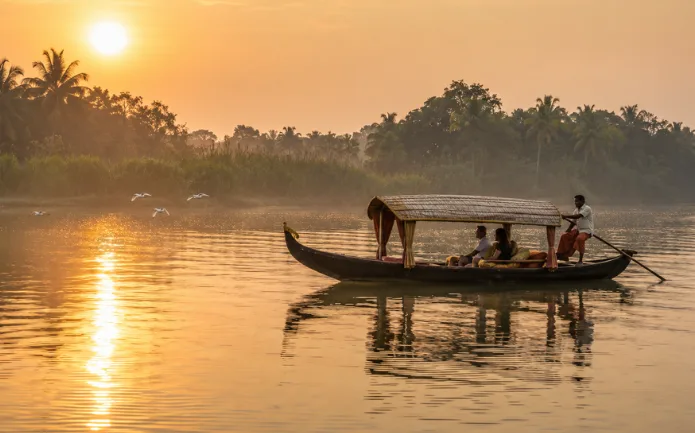
 Shikara Boat
Why Does Pathiramanal Island Boating Draw Nature Lovers?
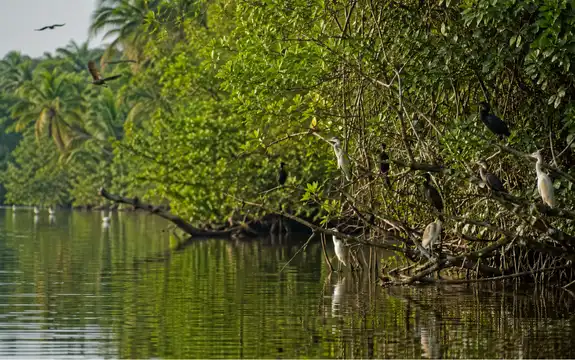
The name Pathiramanal roughly translates to sands of midnight, and locals point to old stories about the island appearing under moonlight as the reason. Whatever the origin, the island sits at a point on Vembanad Lake where mangroves, coconut palms, and reed beds meet open water, and that mix of habitats is what pulls in the birds. Vembanad itself is part of the Vembanad-Kol wetland system, recognized as a Ramsar site of international importance for its ecological value, which gives some sense of scale to what a boat ride here is actually passing through.
A shikara cruise to the island typically runs two to three hours, long enough to take the crossing slowly instead of racing across the lake. Guides who grew up along these backwaters tend to know which channels stay calm and which stretches open up for a clear view of the shoreline. That local knowledge matters more than it sounds like it would, since the lake’s mood changes with the wind and the time of day.
Best Time for the Crossing
Early morning and late afternoon are the two windows worth planning around. The light sits lower on the water, the heat hasn’t built up yet, and bird activity tends to peak in these hours. Migratory species pass through the wetland during the cooler months, joining resident birds that stick around all year, so a dawn departure often rewards patient watchers with more sightings than a midday trip would.
What Happens Once You Reach the Island
Boats do stop at Pathiramanal, and passengers can step off to walk short trails through the greenery. There’s no built-up tourist infrastructure here. What you get instead is dense vegetation, birdsong that doesn’t compete with traffic noise, and a kind of quiet that’s hard to find on the more developed sections of the backwaters. Photographers tend to linger longest, since the combination of still water and layered foliage photographs well in soft morning light.
Families with children and older travelers can manage the ride comfortably too. The shikara itself sits low and stable in the water, and the pace never feels rushed, which makes it a different kind of outing compared to a full-day houseboat stay.
Planning the Route from Alleppey Town
Most shikara boat ride departures to Pathiramanal launch from the Pallathuruthy and Chennamkary side of the backwaters rather than central Alleppey town, so travelers coming from Alleppey should factor in transfer time before booking a slot.
The route itself winds past smaller canals before widening into the main body of Vembanad Lake, giving a preview of village life along the banks: fishermen resetting nets, coir workers by the shore, and the occasional temple visible through the palms. It’s this stretch, more than the island itself sometimes, that gives first-time visitors a real sense of how backwater communities actually live and work.
Final Thoughts
Pathiramanal Island boating isn’t a quick stop on a checklist. It’s a slower kind of morning or afternoon built around water, birds, and a landscape that hasn’t been paved over. Anyone weighing a Vembanad Lake cruise against the busier houseboat routes should think about what they actually want from the day. If it’s stillness and a chance to watch birds move through mangroves without another engine in earshot, this crossing earns its place on the itinerary. What kind of morning are you hoping to build your Alleppey trip around?
FAQ
Plan for a two-to-three hour round trip. That covers the crossing out, time to walk around the island, and the return leg. Add extra time if your guide slows down for bird sightings along the way, which happens more often than you’d expect.
Yes, stepping onto the island is part of the experience. There are walking trails through the greenery, and guides usually point out which birds are active that day. Just wear shoes; you don’t mind getting a little muddy near the shoreline.
Generally, yes. Bird activity peaks around sunrise and again in the late afternoon, when temperatures drop and the light gets softer for photos. Midday trips still work fine for the scenery; just expect fewer birds moving around.
Booking early pays off between November and February. That stretch pulls the most visitors, and the dawn and late-afternoon slots disappear first. Outside peak season, a same-day call to the operator often still gets you a seat, though weekends fill faster than weekdays even then.
Not really. The boat sits low and stable, the pace is unhurried, and there’s no strenuous walking required once you’re on the island. Families and older travelers often find this ride easier to manage than a longer houseboat itinerary.

